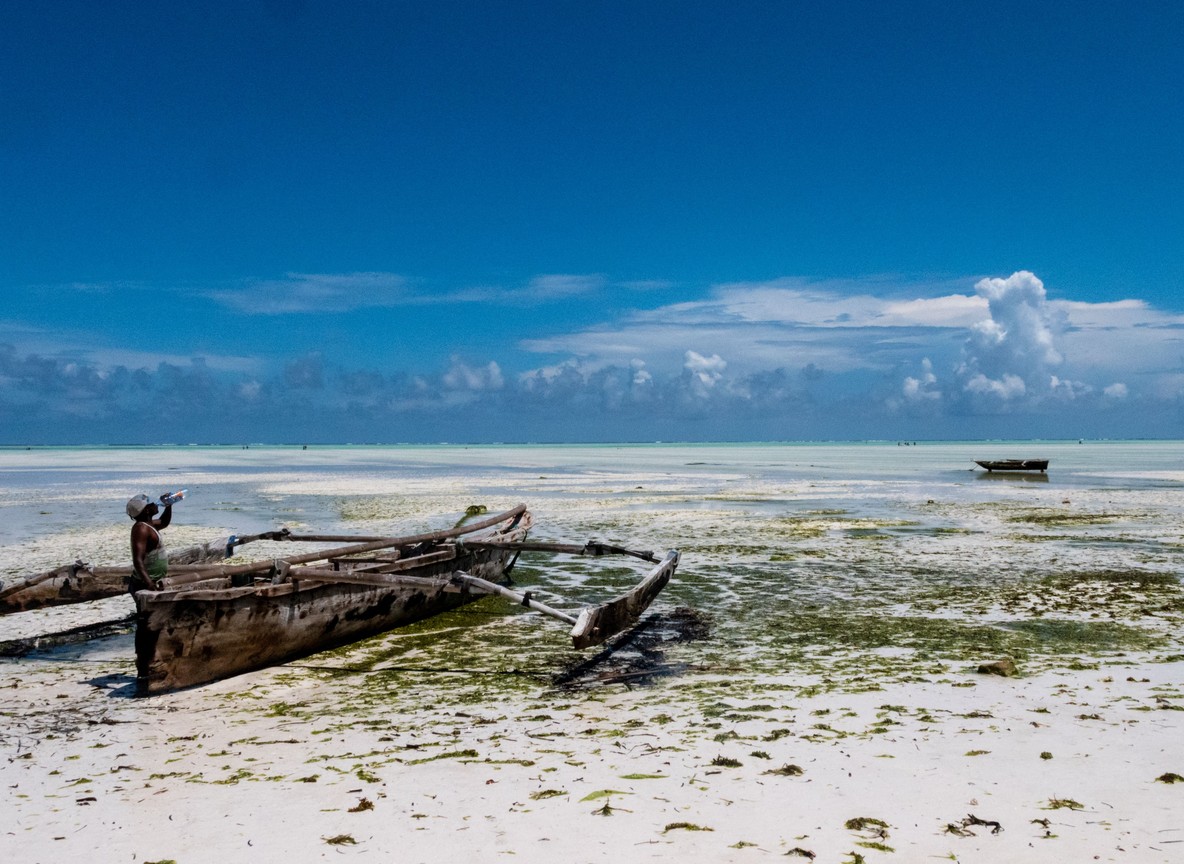
Zanzibar recorded 69,605 visitor arrivals in June 2026 alone, up 3.1% from the same month last year, according to figures from the Zanzibar Commission for Tourism reported by regional outlets this month. Europe supplied 61.9% of those arrivals, the largest single source market by a wide margin. Numbers like that raise an obvious question for anyone already planning a Kenya or Tanzania safari: does a Zanzibar add-on still make sense, or has the island gotten too busy to feel worth the detour? Touring Insights breaks down what the arrival data actually means, how the logistics work, and how Zanzibar stacks up against the closest Kenyan alternative.
Zanzibar’s 2026 Arrival Numbers: What the Data Shows
A 3.1% year-over-year increase is steady growth, not a sudden spike. It reflects a destination consolidating its position rather than one caught off guard by a viral moment. The 61.9% European share tracks with long direct flight routes from Germany, Italy, France, and the UK feeding straight into Abeid Amani Karume International Airport (ZNZ) in Stone Town. That matters for safari travelers because it signals infrastructure built for high season without the island tipping into the kind of overtourism that makes places like parts of the Amalfi Coast feel unworkable in July and August. Zanzibar’s growth has been gradual enough that lodges, dive operators, and the ferry network have largely kept pace with demand.
How to Get to Zanzibar From a Kenya or Tanzania Safari
Zanzibar connects easily to the main safari circuits, which is exactly why it has become a standard beach extension. From Arusha, the gateway to the northern Tanzania circuit, direct flights to Zanzibar cover roughly 480 km and take about 1 hour 10 minutes on carriers such as Precision Air, Air Tanzania, and Coastal Aviation. From Dar es Salaam, it is a short hop of about 70 km, roughly 20 minutes by air, or a 2-hour ferry crossing on Azam Marine or Kilimanjaro Fast Ferries. From Nairobi, direct flights on Kenya Airways or Precision Air cover about 700 km in roughly 1 hour 50 minutes. Travelers finishing a Serengeti safari typically connect through Arusha or Kilimanjaro International Airport (JRO), adding a short layover before the Zanzibar leg. None of these routes require an overnight stop, which is part of why the extension has become so common.
Zanzibar vs Diani Beach: Which Beach Extension Fits Your Trip
Kenya-based safari travelers weigh Zanzibar against Diani Beach on the south coast, the other established add-on. Both work well, but they suit slightly different trips.
| Detail | Zanzibar (Unguja Island) | Diani Beach, Kenya |
|---|---|---|
| Landmass / beach stretch | approx. 1,464 km2 (main island) | approx. 17 km beach strip |
| Flight from safari gateway | Arusha (JRO): approx. 480 km, 1 hr 10 min | Nairobi: approx. 500 km, 1 hr via Ukunda airstrip (HKUK) |
| Nearest international airport | Abeid Amani Karume Intl (ZNZ), Stone Town | Moi International Airport (MBA), Mombasa, approx. 40 min drive |
| Entry requirement | Tanzania eVisa, indicative USD 50 single entry (covers Zanzibar) | Kenya eTA, indicative USD 30-35 |
| Signature site | Stone Town (UNESCO World Heritage Site) | Kisite-Mpunguti Marine National Park |
| Known for | Spice tours, dhow sailing, Mnemba Island snorkeling | Coral reef snorkeling, kite surfing, dolphin watching |
Zanzibar suits travelers ending a Tanzania-based safari in the Serengeti or Ngorongoro, since the connecting flights stay within one country. Diani suits travelers on a Kenya-only itinerary who want to skip a second visa and border crossing entirely.
Why Europe Is Driving the Increase
The 61.9% European share is not new, but it is consolidating. Germany and Italy have run direct or one-stop seasonal charter routes into Zanzibar for years, and both markets treat the island as a stand-alone beach holiday as often as a safari add-on. That distinction matters for East Africa-based travelers. It means peak European season, roughly December through February and July through August, brings the highest hotel rates and the fullest dive boats on Zanzibar’s northeast coast near Nungwi and Kendwa. Travelers coming off a safari in the shoulder months of March through May or October through November generally find better availability and lower rates, with the trade-off being a higher chance of rain showers.
Stone Town: The Historic Center Most Visitors Underrate
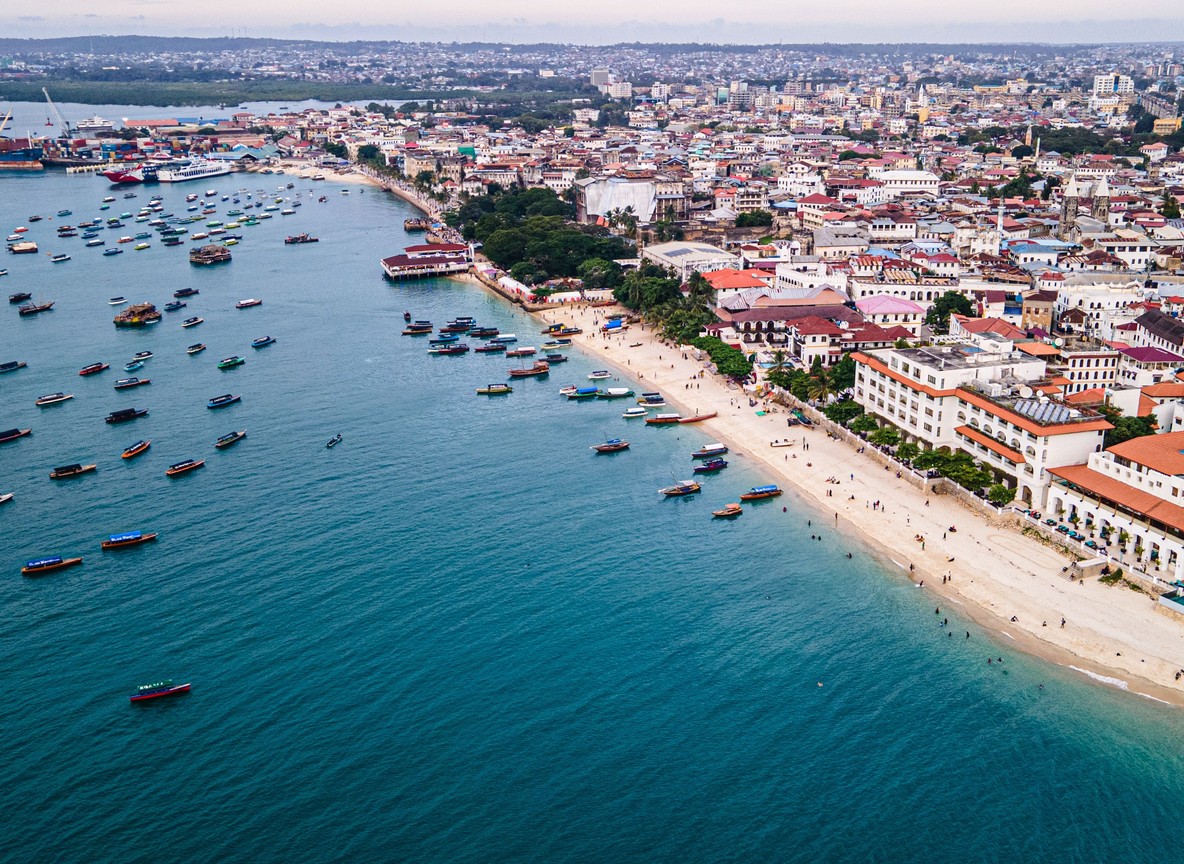
Many itineraries treat Stone Town as a one-night stopover before heading to the beach, which undersells it. The old town is a UNESCO World Heritage Site, a dense maze of coral-stone buildings, carved wooden doors, and narrow alleys that trace centuries of Swahili, Omani, Indian, and European trade. The House of Wonders, the Old Fort, and the Anglican cathedral built on the former slave market site each cover a distinct chapter of the island’s history in under an hour. Spice tours run from small farms just outside town, walking through clove, nutmeg, and vanilla plantations that once made Zanzibar the world’s largest clove exporter. Two nights in Stone Town before moving to the northeast beaches gives enough time to see the old town properly without cutting into beach days.
Zanzibar Planning Facts: Fees, Timing, and Distances
| Detail | Figure |
|---|---|
| Main island size (Unguja) | approx. 1,464 km2 |
| Flight from Arusha (JRO) | approx. 480 km, 1 hr 10 min |
| Flight from Dar es Salaam (DAR) | approx. 70 km, 20 min (or 2 hr ferry) |
| Flight from Nairobi (NBO) | approx. 700 km, 1 hr 50 min |
| Tanzania eVisa (covers Zanzibar) | indicative USD 50 single entry |
| Jozani Chwaka Bay National Park entry (indicative) | approx. USD 8-12 non-resident |
| Mnemba Island conservation fee (indicative) | approx. USD 5-10 per visit |
| June 2026 arrivals | 69,605, up 3.1% year-over-year |
| Europe’s share of arrivals | 61.9% |
| Best value season | March-May, October-November (shoulder season) |
Confirm current visa and park fees directly with Tanzania’s eVisa portal and Zanzibar National Parks before booking, since rates shift with each fiscal year update.

Explorer Notes
Book the Zanzibar leg of a flight separately from the safari flight if using different airlines, since baggage allowances differ and small-plane safari carriers often cap checked luggage at 15 kg. Pack a printed or downloaded copy of your Tanzania eVisa approval; airport wifi at ZNZ is unreliable for pulling up email confirmations on arrival. Red colobus monkeys at Jozani Chwaka Bay are habituated and easy to photograph, but keep a two-meter distance since guides enforce it strictly to protect the population. Nungwi and Kendwa on the northeast tip have the most reliable swimming beaches at low tide, since Zanzibar’s east coast beaches near Paje and Jambiani go through dramatic tidal swings that leave the shallows exposed for hours. Ferries between Dar es Salaam and Zanzibar can cancel in rough weather during the April-May long rains, so build a buffer day if flying out is not an option.
What to Read Next
- Tanzania Visa and Entry Requirements: What Changed for 2026 Travelers
- Diani Beach vs Watamu: Comparing Kenya’s South and North Coast
- Best Time to Visit the Serengeti and Zanzibar on One Trip
FAQ
Is Zanzibar getting too crowded for a relaxed beach extension? Not based on the 2026 data. A 3.1% year-over-year increase in June arrivals reflects steady growth, not a sudden surge, and northeast coast lodges have expanded gradually enough to keep pace with demand.
Do I need a separate visa for Zanzibar if I already have a Tanzania visa? No. Zanzibar is part of Tanzania, and a standard Tanzania eVisa, indicative USD 50 for a single entry, covers both the mainland and the island.
How long should I spend in Zanzibar after a safari? Most travelers pair 4-5 nights on the island with a mainland safari, splitting time between 2 nights in Stone Town and 2-3 nights on a northeast beach such as Nungwi or Kendwa.
Is Zanzibar or Diani Beach easier to reach from a Kenya safari? Diani is simpler for a Kenya-only itinerary since it skips a second country’s visa and border process. Zanzibar suits travelers already ending their trip in Tanzania, since the connecting flight from Arusha stays domestic.
What is the best time of year to visit Zanzibar for good weather and lower rates? March through May and October through November offer the best value, with fewer European visitors and lower hotel rates, though the trade-off is a higher chance of rain showers.
Zanzibar’s 2026 numbers point to a destination growing at a manageable pace, not one to avoid. Whether it earns a spot on your itinerary comes down to which country your safari ends in and how much beach time you actually want. Check the Tour Packages page for itineraries that already pair a Tanzania safari with a Zanzibar extension, or ask a partner operator how to slot Diani in instead if your trip stays Kenya-only.